
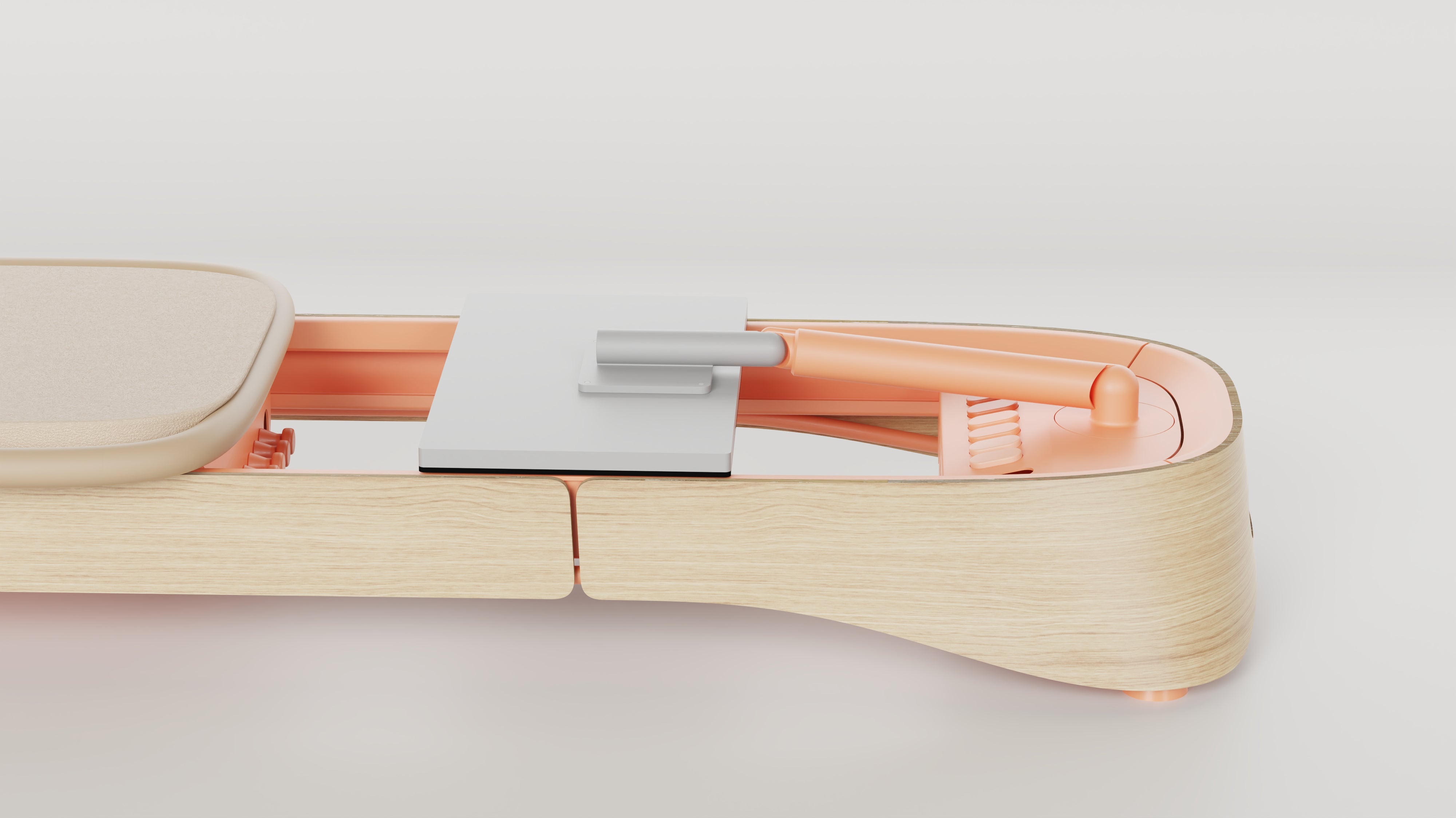
Creating a dedicated Pilates space at home has become increasingly popular as people seek flexible, low-impact workouts that strengthen core stability and improve overall mobility. A reformer, the cornerstone of modern Pilates, offers resistance, precision, and a full-body challenge that traditional mat work alone cannot match. Selecting the right home reformer involves more than just price; it requires an understanding of design, functionality, and long-term durability. This guide walks through the essential factors to consider, helping enthusiasts make an informed purchase that supports consistent practice and lasting results.
Key Features to Evaluate
When assessing a home reformer, focus on the following attributes to ensure the equipment aligns with personal goals and space constraints.
- Frame Construction: Look for steel or high-grade aluminum frames that provide stability without excessive wobble.
- Carriage Size and Weight Capacity: A larger carriage accommodates a broader range of movements, while a higher weight limit offers flexibility for multiple users.
- Spring System: Adjustable spring stacks allow for progressive resistance; some models feature magnetic or hydraulic options for quieter operation.
- Footbar Adjustability: Multi-position footbars support varied exercises, from leg presses to arm work.
- Portability and Storage: Fold-away designs or detachable wheels make it easier to store the reformer in smaller apartments.
Assessing Space and Layout
Before committing to a purchase, measure the intended workout area. A typical reformer requires approximately 8-10 feet of length and 4-5 feet of width, with additional clearance for safe movement.
Room Considerations
- Flooring: A non-slippery surface such as rubber mats protects both the equipment and the floor.
- Ceiling Height: Ensure at least 8 feet of clearance for exercises that involve overhead extensions.
- Lighting: Natural light enhances mood, while adjustable LED lighting can create a focused environment.
Budget vs. Value
Investing in a quality reformer can range from a few hundred to several thousand dollars. While a lower-priced unit may be tempting, consider long-term value: durability, warranty length, and the availability of replacement parts often justify a higher initial outlay.
For a balanced approach, explore mid-range models that combine robust construction with essential accessories such as headrests, resistance bands, and instructional guides. Detailed specifications are often listed on product pages; Discover expert strategies here to compare features side by side.
Essential Accessories
Enhancing a reformer with complementary tools can broaden workout possibilities and improve comfort.
- Resistance Bands – add variable tension for upper-body work.
- Box or Platform – increase challenge for leg springs and provide a stable base for seated exercises.
- Headrest and Shoulder Pads – essential for neck support during supine movements.
- Instructional Materials – video libraries or printed manuals help maintain proper form.
Many reputable sellers bundle these items, but they can also be purchased separately. Learn about our tailored solutions to see which accessories are recommended for beginners versus advanced practitioners.
Evaluating Brand Reputation and Support
Choosing a reformer from a brand with a proven track record ensures access to reliable customer service, warranty coverage, and community resources such as online classes or forums. Look for:
- Transparent warranty terms (minimum 2-year coverage is common).
- Responsive technical support for assembly and maintenance.
- Active user community offering tips, modifications, and motivation.
For deeper insight into product longevity, Explore advanced guides and tips that discuss maintenance routines and common troubleshooting steps.
Making the Purchase Decision
After narrowing down options, create a comparison chart that includes:
- Price and financing options.
- Key specifications (carriage length, spring count, max weight).
- Included accessories.
- Warranty and return policy.
Testing the equipment, if possible, can provide valuable tactile feedback. Many specialty studios offer demo days where potential buyers can try various models before committing.
When ready, a direct purchase through a trusted retailer ensures authenticity and access to official support channels. Find out more about this approach and follow the secure checkout process.
Conclusion
Investing in a home Pilates reformer is a strategic step toward consistent, low-impact fitness that nurtures strength, flexibility, and mindfulness. By evaluating construction quality, space requirements, budget considerations, essential accessories, and brand support, enthusiasts can select a reformer that delivers lasting value and aligns with personal wellness goals. With the right equipment in place, the home studio becomes a sanctuary for daily practice, empowering individuals to progress confidently on their Pilates journey.