
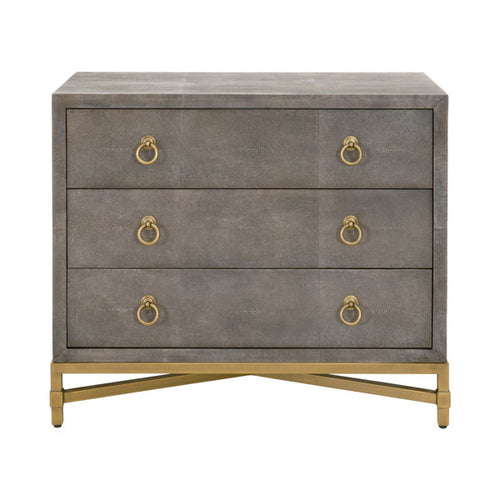
Choosing furniture that stands the test of time is more than a matter of style; it is an investment in durability, comfort, and long-term value. With countless materials, designs, and price points on the market, the decision-making process can quickly become overwhelming. This guide distills essential criteria into clear, actionable steps, helping homeowners select pieces that not only complement their living spaces but also endure years of daily use. By focusing on quality construction, timeless aesthetics, and sustainable practices, it becomes possible to build a collection of essentials for living that truly lasts.
Assessing Core Construction Elements
Material Integrity
- Solid wood vs. engineered wood: Solid hardwoods such as oak, maple, and walnut provide superior strength and can be refinished, whereas high-grade engineered boards offer stability in humid environments.
- Metal frames: Steel or aluminum frames add structural support, especially for larger pieces like sofas and storage units.
- Quality of joints: Look for dovetail, mortise-and-tenon, or reinforced corner brackets rather than simple stapled or glued connections.
Finish and Surface Treatment
- Natural oil or wax finishes allow the wood to breathe and are easier to repair than high-gloss lacquers.
- Powder-coated metal resists scratches and corrosion.
- Fabric upholstery should be treated for stain resistance while retaining breathability.
Evaluating Design for Longevity
Timeless Aesthetics
- Neutral palettes and classic silhouettes tend to age gracefully, reducing the need for frequent replacements.
- Modular designs enable reconfiguration as needs evolve, extending the functional lifespan of each piece.
Ergonomics and Comfort
- Seat depth, lumbar support, and arm-rest height should align with the user’s body dimensions.
- Testing furniture in a showroom or ordering from a retailer with a generous return policy ensures comfort before committing.
Prioritizing Sustainability and Ethical Production
- Seek certifications such as FSC (Forest Stewardship Council) for wood products, indicating responsibly sourced materials.
- Manufacturers that disclose their supply chain and employ low-impact finishing processes contribute to a smaller environmental footprint.
- Consider second-hand or vintage pieces that have already proven durability, a practice supported by many eco-focused retailers.
For a deeper dive into sustainable sourcing, Discover expert strategies here and learn how to align your selections with responsible design principles.
Testing Durability Before Purchase
- Weight test: Gently press down on tables and chairs to gauge flex and stability.
- Scratch test: Use a fingernail on surfaces; high-quality finishes should resist visible marks.
- Warranty review: A robust warranty often reflects confidence in the product’s longevity.
Balancing Budget with Long-Term Value
While higher upfront costs can be intimidating, the total cost of ownership should consider lifespan, maintenance, and resale value. Investing in a well-crafted sofa, for example, may cost more initially but can save money over a decade compared to replacing a cheaper model every few years.
- Calculate the cost per year of use by dividing price by estimated lifespan.
- Factor in maintenance expenses such as occasional re-upholstering or refinishing.
- Research resale platforms to gauge potential recouped value.
To explore financial strategies that maximize return on furniture investments, Learn about our tailored solutions.
Integrating Essentials Seamlessly into Your Home
Creating Cohesive Layouts
- Start with a focal point, often a sofa or dining table, and arrange complementary pieces around it.
- Maintain consistent spacing to ensure traffic flow and visual balance.
- Use area rugs and lighting to delineate functional zones without overcrowding.
Accessorizing for Longevity
- Protect high-traffic surfaces with coasters, placemats, and slipcovers.
- Rotate decorative pillows and throws seasonally to reduce wear on any single area.
- Regularly dust and condition wood to prevent drying and cracking.
For practical tips on arranging and caring for long-lasting furniture, Explore advanced guides and tips.
Final Checklist Before Buying
- Confirm material type and source.
- Inspect joint construction and finish quality.
- Assess ergonomics and aesthetic fit.
- Verify warranty terms and return policy.
- Calculate long-term cost versus immediate price.
By following this structured approach, selecting furniture becomes a strategic process rather than a fleeting impulse. The result is a curated living environment where each essential piece contributes to comfort, functionality, and enduring style. To deepen your understanding of these principles, Find out more about this approach and begin building a timeless home today.