
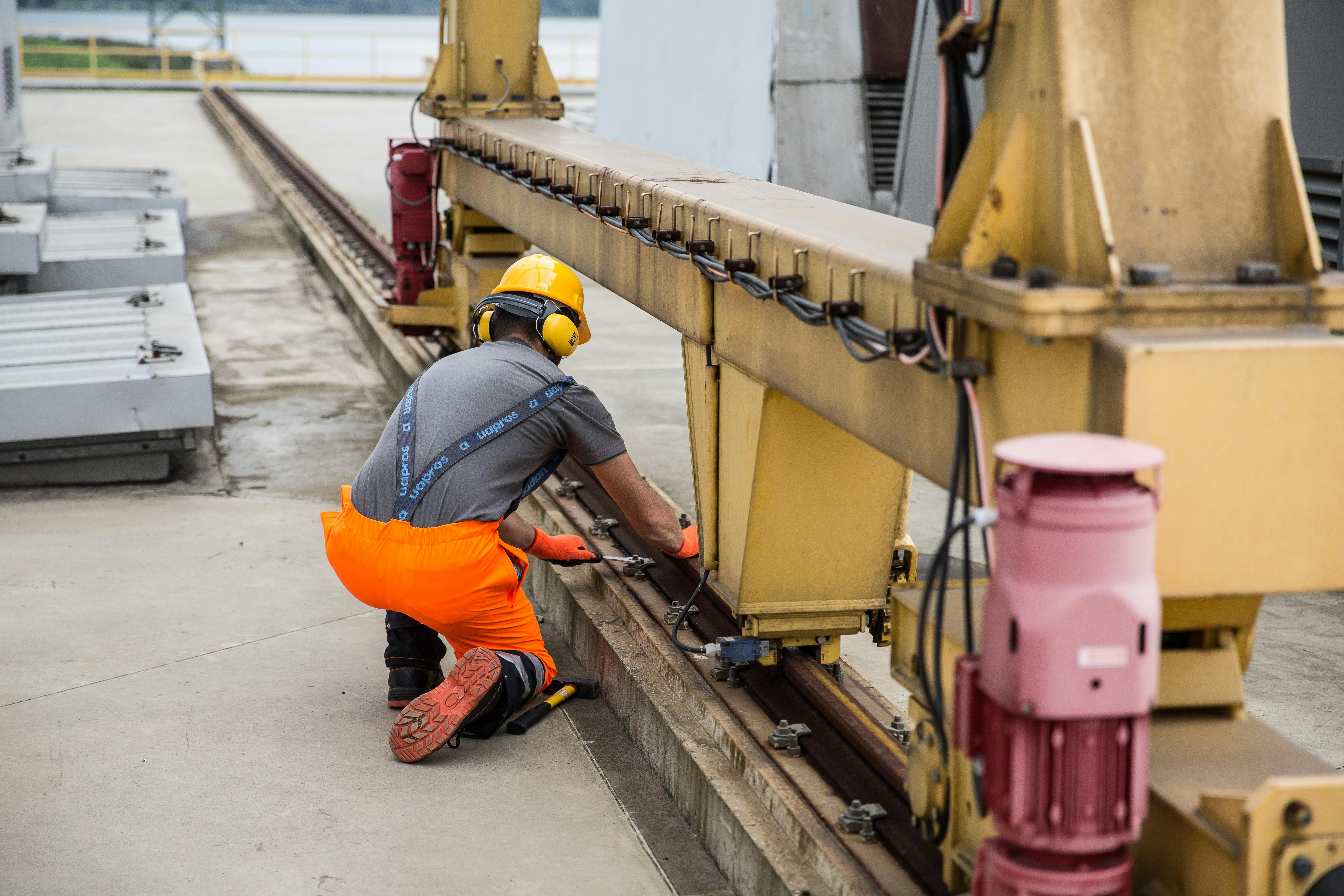
When a hoist must be taken down, the safety of workers, the integrity of surrounding equipment, and compliance with occupational health standards are paramount. A certified industrial hygienist brings a unique perspective that blends hazard identification, exposure control, and project planning, ensuring that each removal is executed efficiently and without incident. This guide outlines best-practice strategies that combine technical expertise with practical on-site considerations, helping project managers and field crews achieve successful outcomes while protecting health and safety.
Pre-Project Planning and Hazard Assessment
Conduct a Comprehensive Site Survey
- Identify all energy sources (electrical, hydraulic, pneumatic) attached to the hoist.
- Map surrounding structures, overhead utilities, and traffic flow patterns.
- Document existing ventilation, dust control measures, and potential contaminant sources.
Develop a Risk Management Plan
- Classify hazards into categories: mechanical, chemical, ergonomic, and environmental.
- Assign risk levels using a standardized matrix (low, medium, high).
- Define control measures for each risk tier, referencing OSHA and ANSI standards.
Selection of Appropriate Removal Methods
- Choose mechanical disassembly when the hoist is still operational; this minimizes the need for heavy lifting equipment.
- Consider cut-and-remove techniques for corroded or structurally compromised units, ensuring proper isolation of energy sources.
- Utilize remote-operated tools in confined spaces to reduce worker exposure to confined-space hazards.
Engaging a hoist removal specialist early in the planning phase can streamline method selection, but the ultimate decision should be driven by the documented risk assessment and site constraints.
Environmental Controls and Exposure Mitigation
Air Quality Management
- Implement local exhaust ventilation (LEV) when cutting or grinding metal components.
- Monitor airborne particulate levels with real-time dust sensors; adjust ventilation rates accordingly.
- Use water-based dust suppression for dry demolition activities.
Noise and Vibration Reduction
- Employ acoustic enclosures around power tools.
- Schedule high-impact tasks during off-peak hours to limit occupational noise exposure.
- Provide hearing protection that meets ANSI S3.19 standards for all personnel.
Worker Safety Protocols
- Mandate lockout/tagout (LOTO) procedures for all energy sources before work begins.
- Require fit-tested personal protective equipment (PPE) appropriate to identified hazards.
- Conduct a pre-task briefing that reviews emergency egress routes, communication signals, and rescue plans.
Ergonomic Considerations
- Use mechanical assists (e.g., hoist-assisted trolleys) for heavy component handling.
- Rotate tasks among crew members to prevent repetitive strain injuries.
- Provide training on proper lifting techniques and posture maintenance.
Documentation and Compliance
- Maintain a detailed removal log that records:
- Date and time of each step.
- Personnel involved and their certifications.
- Measured exposure levels (dust, noise, etc.).
- Ensure all documentation aligns with OSHA 1910.147 (LOTO) and EPA hazardous waste handling regulations.
- Prepare a final compliance report for client review and future audit purposes.
Post-Removal Evaluation and Lessons Learned
- Conduct a walkthrough with the project team to verify that all debris has been cleared and that the work area is restored to a safe condition.
- Collect feedback from workers regarding the effectiveness of control measures and any unforeseen challenges.
- Update standard operating procedures (SOPs) based on real-world observations to improve future hoist removal projects.
Conclusion
Efficient hoist removal hinges on a systematic approach that integrates hazard assessment, method selection, environmental controls, and rigorous documentation. By applying the expertise of a certified industrial hygienist throughout each phase, project teams can minimize health risks, maintain regulatory compliance, and achieve timely project completion. The outlined practices serve as a roadmap for professionals seeking to elevate safety standards and operational efficiency in complex removal scenarios.