
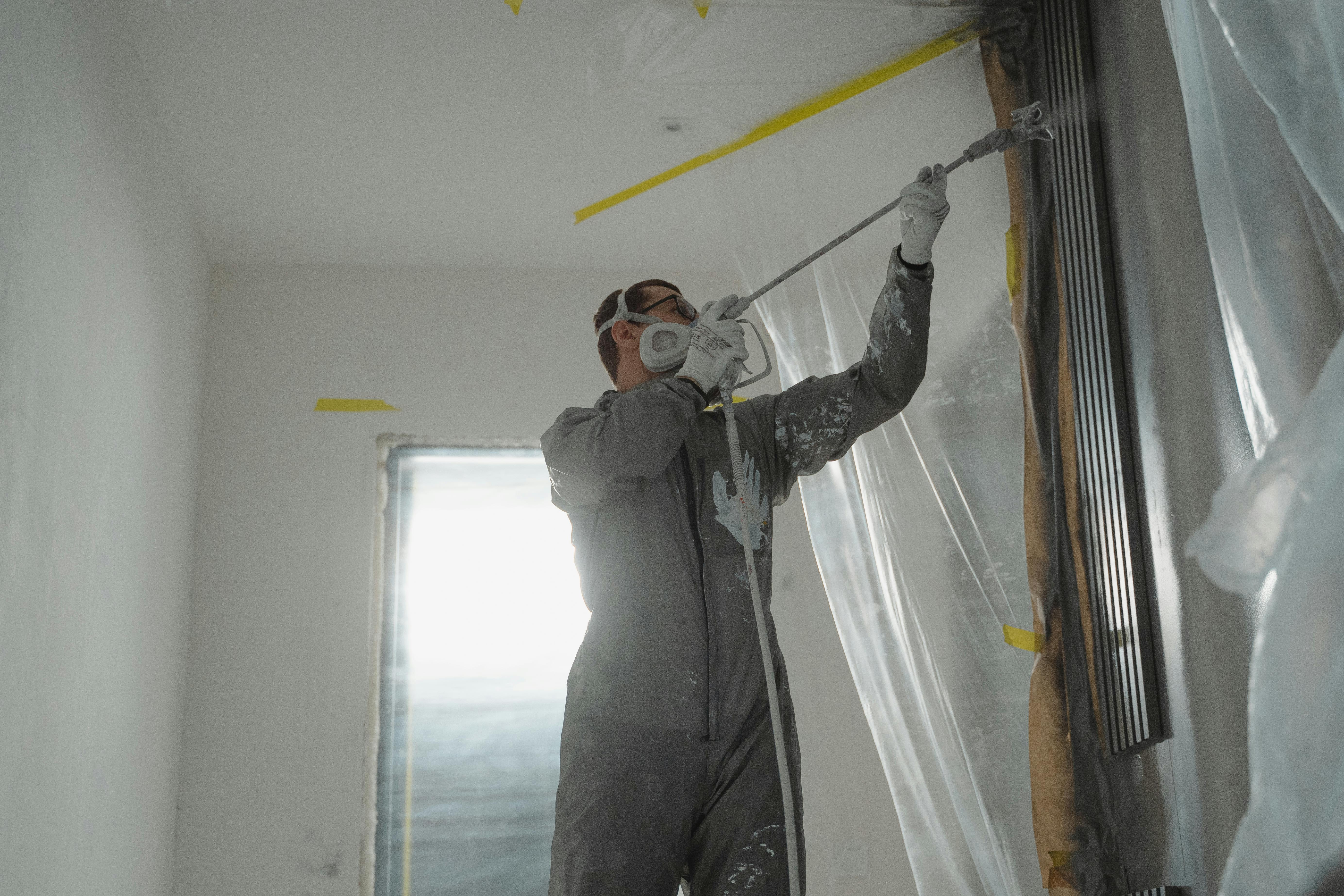
Lead contamination in residential and commercial properties is a significant health hazard that requires professional intervention. Over the years, lead has been used in various building materials, including paint and plumbing fixtures, posing severe risks if not managed correctly. Lead exposure can lead to numerous health problems, especially in children and pregnant women. As a result, proper lead hazard removal services are crucial. These services ensure that environments are safe and compliant with health standards, reducing the risk of lead-related health issues.
Understanding Lead Hazard Removal
Lead hazard removal involves identifying and eliminating sources of lead in buildings to prevent exposure. This process includes inspection, assessment, and the application of various removal techniques to mitigate risks.
Key Techniques in Lead Hazard Removal
- Inspection and Assessment: Professionals conduct thorough inspections to identify lead sources. This step is critical in formulating an effective removal strategy.
- Encapsulation: This technique involves covering lead-based surfaces with a special coating to prevent lead particles from becoming airborne.
- Enclosure: This method involves constructing a barrier between lead materials and the building’s occupants, effectively isolating the hazard.
- Removal: Complete removal of lead-containing materials may be necessary, especially in cases where other methods are insufficient.
- Replacement: Replacing lead-containing fixtures, such as pipes or windows, with safer alternatives ensures long-term safety.
Benefits of Professional Lead Hazard Removal
Engaging professional services for lead hazard removal offers numerous benefits, ensuring safety and compliance with health regulations. Some of these advantages include:
- Health Protection: Reducing lead exposure minimizes health risks, particularly for vulnerable populations like children and pregnant women.
- Regulatory Compliance: Professionals ensure that removal processes comply with local and national regulations, avoiding potential legal issues.
- Property Value Preservation: Proper maintenance and hazard removal can enhance property value by ensuring a safe living environment.
- Expertise and Experience: Trained professionals bring the necessary expertise and experience, ensuring effective and efficient hazard removal.
For those looking to understand more on the specifics of lead hazard remediation, read more about this topic here.
Choosing the Right Lead Hazard Removal Service
Selecting the appropriate service provider is crucial for effective lead hazard removal. Consider the following factors when making a decision:
Certifications and Credentials
- Ensure the service provider holds the necessary certifications and follows industry standards for lead hazard removal.
- Check for affiliations with relevant environmental and health organizations.
Experience and Reputation
- Prioritize companies with a proven track record and positive industry reputation.
- Seek providers with substantial experience in handling various types of lead hazards.
Comprehensive Service Offerings
- Opt for providers offering a full range of services, from inspection and assessment to complete removal and replacement.
- Look for companies that provide post-removal testing to ensure safety.
To explore further insights into choosing the right service, explore further insights here.
Conclusion
Lead hazard removal is an essential service for maintaining safe living and working environments. By understanding the importance of professional intervention and the techniques involved, property owners and managers can effectively mitigate lead risks. It’s crucial to choose a reputable service provider that offers comprehensive solutions and adheres to regulatory standards. For more detailed guidance on lead hazard removal, find additional information here.