
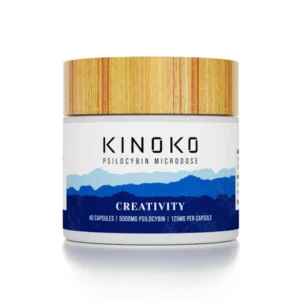
Microdose capsule therapy has emerged as a scientifically backed approach for harnessing the subtle benefits of psychedelics without the intense psychoactive effects typically associated with higher doses. By delivering precise, low-dose amounts of psilocybin in a convenient capsule form, individuals can experience enhanced mood, focus, and creativity while maintaining full functional capacity throughout the day. This guide explores the fundamentals, safety considerations, dosing protocols, and practical applications of microdose capsules, providing a comprehensive resource for anyone interested in integrating this practice into a balanced lifestyle.
Understanding Microdose Capsule Therapy
What Is a Microdose?
A microdose is generally defined as 1/10 to 1/20 of a standard recreational dose of a psychedelic compound. For psilocybin, this translates to roughly 0.1-0.3″?grams of dried mushroom material, delivered in a standardized capsule. The goal is to achieve sub-perceptual effects that subtly influence cognition and emotional regulation.
Why Capsules?
- Precision – Each capsule contains a measured amount, eliminating guesswork.
- Convenience – Capsules are easy to transport and ingest, fitting seamlessly into daily routines.
- Stability – Properly formulated capsules protect the active compounds from light and oxygen, preserving potency.
Choosing the Right Microdose Capsules
Not all capsules are created equal. Quality hinges on three key factors:
- Source Material: Certified organic mushrooms cultivated under controlled conditions reduce the risk of contaminants.
- Standardization: Products that disclose exact psilocybin content per capsule enable accurate dosing.
- Packaging: Airtight, UV-protective containers maintain freshness over extended periods.
When evaluating options, look for third-party lab results and transparent manufacturing processes. Brands that prioritize these standards often provide a more reliable micro dose capsule experience.
Scientific Foundations
Recent clinical studies suggest that low-dose psilocybin can modulate serotonin receptors, leading to measurable improvements in mood, cognition, and neuroplasticity. While research is still evolving, several peer-reviewed trials have reported:
- Reduced symptoms of anxiety and depression.
- Enhanced divergent thinking and problem-solving abilities.
- Improved emotional resilience and stress coping mechanisms.
Mechanism of Action
At sub-psychoactive levels, psilocybin primarily engages the 5-HT2A receptor, which plays a crucial role in mood regulation and neural connectivity. The subtle activation of this pathway appears sufficient to trigger beneficial neurochemical cascades without inducing hallucinations.
Developing a Safe Dosing Protocol
Typical Schedules
Two of the most common microdosing regimens are:
- One-Day-On, Two-Days-Off: Take a capsule on Day”?1, skip Days”?2 and”?3, then repeat.
- Four-Days-On, Three-Days-Off: Use a capsule for four consecutive days, then pause for a week.
These cycles help prevent tolerance buildup and allow the body to reset, ensuring consistent benefits over time.
Starting Dose Recommendations
- Begin with 0.1″?g of psilocybin per capsule (approximately 1″?mg of pure psilocybin).
- Maintain a dosing journal to track mood, energy, and any subtle effects.
- Adjust upward by 0.05″?g increments only after a minimum of two weeks of stable observation.
Potential Benefits and Real-World Applications
Microdose capsule therapy can be integrated into various personal and professional contexts:
Creative Professions
- Writers report smoother narrative flow and reduced writer’s block.
- Designers notice heightened visual imagination and pattern recognition.
High-Performance Environments
- Executives experience clearer strategic thinking and reduced decision fatigue.
- Athletes cite improved focus during training sessions and faster recovery from mental fatigue.
Mental Health Support
- Individuals with mild anxiety find a steadier baseline mood.
- Those coping with sub-clinical depression often report a gradual uplift in optimism.
Safety Considerations and Contraindications
While microdosing is generally well tolerated, certain precautions are essential:
- Medical History: Persons with a history of psychosis, bipolar disorder, or severe cardiovascular conditions should consult a healthcare professional before beginning.
- Medication Interactions: SSRIs and MAO inhibitors may amplify serotonergic effects; a medical review is advisable.
- Pregnancy & Nursing: Avoid use during pregnancy or while breastfeeding.
Adhering to a reputable source of micro dose capsules minimizes the risk of contaminants and ensures consistent dosing, further supporting a safe experience.
Integrating Microdose Capsules Into Daily Life
Successful integration relies on consistency and mindfulness. Consider the following practical tips:
- Take the capsule with a light, balanced meal to aid absorption.
- Pair microdosing with complementary habits such as meditation, journaling, or light exercise.
- Maintain a regular sleep schedule; quality rest enhances neuroplastic benefits.
Frequently Asked Questions
Can I take microdose capsules on an empty stomach?
It is generally recommended to ingest the capsule with food to reduce any potential gastrointestinal discomfort and to promote steady absorption.
How long does it take to notice effects?
Most users report subtle changes within 30-60″?minutes, with the most noticeable benefits emerging after a week of consistent dosing.
Is tolerance a concern?
Yes, which is why structured schedules with regular break days are critical. Tolerance typically resets after a 48-hour pause.
Conclusion
Microdose capsule therapy offers a measured, evidence-based pathway to harnessing the therapeutic potential of psilocybin without compromising daily functionality. By selecting high-quality microdose capsule products, adhering to a thoughtful dosing schedule, and integrating supportive lifestyle practices, individuals can experience meaningful enhancements in mood, cognition, and creativity. As research continues to unfold, this discreet and convenient format stands poised to become a cornerstone of modern wellness strategies.