
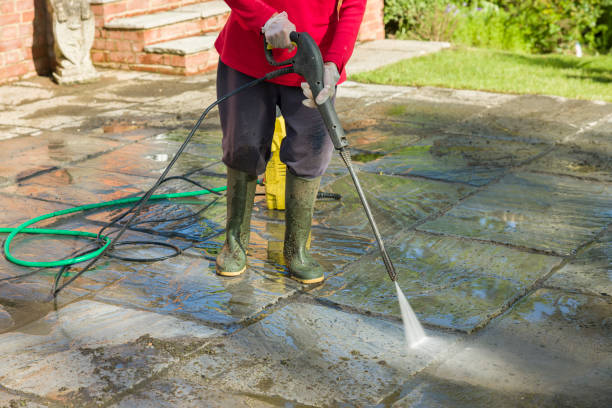
Maintaining a clean building exterior not only enhances curb appeal but also contributes to the longevity of structural components. Traditional pressure-washing methods often rely on harsh chemicals that can damage surrounding vegetation, corrode metal surfaces, and pollute stormwater runoff. Eco-friendly pressure cleaning offers a sustainable alternative, combining high-efficiency water delivery with biodegradable cleaning agents. This article explores the principles, best practices, and practical steps for implementing green pressure-cleaning solutions on commercial and residential properties.
Why Choose Eco-Friendly Pressure Cleaning?
Adopting environmentally responsible cleaning methods yields multiple benefits:
- Reduced chemical impact: Biodegradable detergents break down quickly, minimizing harm to soil and aquatic ecosystems.
- Improved worker safety: Lower toxicity reduces the risk of skin irritation and respiratory issues for cleaning crews.
- Compliance with regulations: Many municipalities enforce strict guidelines on water discharge and chemical usage.
- Cost efficiency: Concentrated eco-cleaners often require less product per job, lowering material expenses.
For a deeper dive into the environmental advantages, Read more about this topic.
Key Components of Green Pressure-Cleaning Systems
Water-Saving Nozzles
Modern pressure washers are equipped with adjustable nozzles that allow precise control of flow rate and pressure. Selecting the appropriate nozzle size reduces water consumption while maintaining cleaning effectiveness.
Biodegradable Cleaning Agents
Eco-friendly detergents are formulated from plant-based surfactants and natural enzymes. They target organic stains such as algae, mold, and oil without leaving harmful residues. When selecting a cleaning solution, look for certifications such as “EPA Safer Choice” or “EU Ecolabel.”
Recycling and Filtration Systems
Integrating a water reclamation unit captures runoff, filters out debris, and re-pressurizes the water for reuse. This closed-loop approach can cut water usage by up to 60″?%.
Learn more in this detailed guide.
Step-by-Step Implementation Guide
- Assess the surface: Identify material type (brick, concrete, metal) and the nature of contaminants. Different surfaces require specific pressure settings and cleaning agents.
- Choose the right equipment: Opt for a washer with adjustable PSI (typically 1500-2500″?psi for building exteriors) and a variable-flow pump to match water-saving goals.
- Prepare the eco-cleaner: Dilute the biodegradable detergent according to manufacturer recommendations. Over-concentration can lead to residue buildup.
- Test a small area: Apply the solution and pressure to a discreet spot to verify that no surface damage occurs.
- Apply the cleaning solution: Use a low-pressure spray (around 200″?psi) to wet the surface evenly, allowing the detergent to dwell for 5-10 minutes.
- Rinse with high pressure: Increase pressure to remove the loosened grime, maintaining a consistent distance (approximately 12-18 inches) to avoid etching.
- Collect runoff: Direct water into a filtration system or containment tray to prevent pollutants from entering storm drains.
- Inspect and document: Verify that the surface is clean and free of streaks. Photograph before-and-after conditions for future reference.
For additional procedural details, Explore further insights here.
Maintenance and Best Practices
- Regular equipment checks: Inspect hoses, seals, and nozzles for wear. Replace damaged components promptly to maintain efficiency.
- Scheduled cleaning cycles: Perform pressure cleaning at least twice a year for most facades, or more frequently in high-pollution areas.
- Protect surrounding vegetation: Shield plants with tarps and use low-impact detergents to prevent root damage.
- Document chemical usage: Keep records of detergent volumes and disposal methods to demonstrate compliance with environmental standards.
To understand how ongoing maintenance supports sustainability, Find additional information here.
Future Trends in Eco-Friendly Pressure Cleaning
Innovation continues to drive greener cleaning solutions. Emerging technologies include:
- Solar-powered pressure washers: Harness renewable energy to reduce carbon footprints.
- Smart pressure regulation: Sensors automatically adjust PSI based on surface texture, optimizing water use.
- Nanotechnology detergents: Formulations that break down contaminants at a molecular level, requiring less water and lower pressure.
Staying informed about these developments ensures that building owners can adopt the most sustainable practices available.
Conclusion
Eco-friendly pressure cleaning merges effective surface maintenance with responsible environmental stewardship. By selecting water-efficient equipment, biodegradable cleaners, and proper runoff management, property managers can achieve spotless exteriors while minimizing ecological impact. Implementing the outlined steps and adhering to best-practice guidelines will not only preserve the aesthetic value of a building but also extend the lifespan of its materials. Embracing emerging green technologies will further enhance sustainability outcomes, positioning eco-conscious cleaning as a standard rather than an exception.