
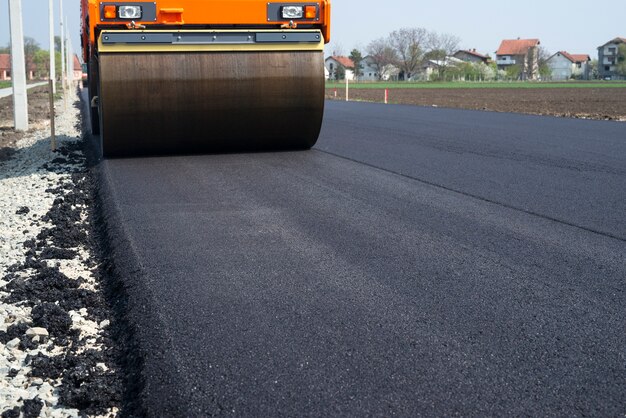
Asphalt patching and repair solutions are essential for maintaining durable driveways, parking lots, and other asphalt surfaces. A well-maintained asphalt surface not only enhances the aesthetic appeal of a property but also ensures safety and prolongs its lifespan. However, with time, asphalt surfaces can develop cracks, potholes, and other damage, which can compromise their integrity and functionality. In such cases, timely and effective repair is crucial to prevent further damage and costly replacements.
Importance of Regular Asphalt Maintenance
Regular maintenance is key to extending the life of an asphalt surface. Neglecting regular inspections and repairs can lead to more severe damage, making it difficult and expensive to restore the surface. Furthermore, a well-maintained asphalt surface is not only aesthetically pleasing but also provides a safe and durable surface for vehicular traffic. Discover expert strategies here to learn more about the importance of regular asphalt maintenance and how to identify potential issues before they become major problems.
Types of Asphalt Damage
Asphalt surfaces can suffer from various types of damage, including cracks, potholes, and alligator cracking. Cracks can occur due to weathering, heavy traffic, or poor installation, while potholes can form as a result of water seepage or settlement. Alligator cracking, on the other hand, is a common issue in asphalt surfaces, characterized by a series of interconnected cracks that resemble the skin of an alligator. Learn about our tailored solutions to address these issues and prevent further damage.
- Cracks: These can be caused by weathering, heavy traffic, or poor installation.
- Potholes: These can form as a result of water seepage or settlement.
- Alligator cracking: This is a common issue in asphalt surfaces, characterized by a series of interconnected cracks.
Asphalt Patching and Repair Methods
Asphalt patching and repair can be achieved through various methods, including cold patching, hot mix patching, and overlaying. Cold patching involves filling cracks and potholes with a cold-mix asphalt material, which is ideal for small, temporary repairs. Hot mix patching, on the other hand, involves applying a hot-mix asphalt material to larger areas of damaged asphalt. Overlaying is a more extensive repair method that involves applying a new layer of asphalt over the existing surface. Explore advanced guides and tips on asphalt patching and repair methods to learn more about the best approach for your specific needs.
When choosing a repair method, it’s essential to consider factors such as the extent of the damage, the type of asphalt, and the traffic load. Find out more about this approach and how it can be tailored to meet your specific requirements.
Benefits of Professional Asphalt Patching and Repair
While DIY asphalt patching and repair can be cost-effective, it’s often not the most effective solution. Professional asphalt patching and repair services, on the other hand, offer several benefits, including extended lifespan, improved safety, and enhanced aesthetic appeal. Check out customer reviews here to see what others are saying about the benefits of professional asphalt patching and repair services.
By investing in regular asphalt maintenance and timely repairs, property owners can ensure a durable, safe, and visually appealing asphalt surface that meets their specific needs. With the right approach and expertise, asphalt surfaces can last for decades, providing a long-term solution for property owners and managers.
For more information on asphalt patching and repair solutions, including expert strategies, tailored approaches, and advanced guides, visit Discover expert strategies here to learn more about how to maintain a durable and safe asphalt surface.
Additionally, property owners can explore customer reviews on our GBP page (https://maps.app.goo.gl/vFi7jUgXVqVP4ZfX7) to see what others are saying about our services and expertise.