
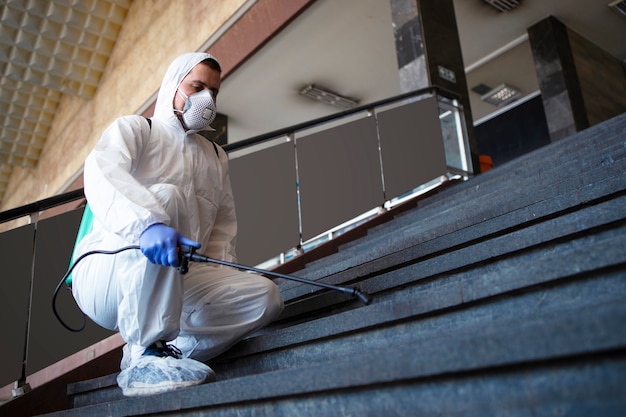
Mold growth can be a significant concern for homeowners and businesses in Baltimore, particularly in areas prone to moisture and humidity. A thorough understanding of mold inspection processes is crucial to prevent and mitigate its effects. When it comes to visual inspections, professional expertise is essential to ensure accurate identification and recommendations for remediation. Discover expert strategies here for effective mold management, starting with a thorough visual inspection.
Understanding Mold Visual Inspections
A visual inspection is a crucial step in identifying mold growth and assessing its extent. This process involves a thorough examination of the affected area, including walls, floors, ceilings, and any other visible surfaces. The inspection team will look for signs of mold, such as discoloration, water stains, or musty odors. Learn about our tailored solutions for addressing mold growth and preventing future occurrences.
Pre-Inspection Preparation
Before the inspection, it’s essential to prepare the area to be inspected. This includes removing any furniture, fixtures, or other obstructions that may hinder the inspection process. Additionally, ensure that the area is free from any obstacles that may interfere with the inspection team’s ability to access all areas. Explore advanced guides and tips for preparing your home or business for a mold inspection.
- Clear the area of any obstructions or furniture
- Ensure access to all areas, including crawl spaces and attics
- Provide a detailed history of any water damage or leaks
The Visual Inspection Process
During the visual inspection, the team will use specialized equipment, such as moisture meters and thermal imaging cameras, to detect hidden mold growth. They will also inspect for signs of water damage, structural issues, and other factors that may contribute to mold growth. Find out more about this approach and how it can help identify and address mold issues.
- Use of specialized equipment to detect hidden mold growth
- Inspection for signs of water damage and structural issues
- Assessment of ventilation and humidity levels
Post-Inspection Recommendations
After the inspection, the team will provide a detailed report outlining their findings and recommendations for remediation. This may include cleaning and disinfecting the affected area, repairing any water damage, and implementing measures to prevent future mold growth. Check out customer reviews here to see what others are saying about our mold inspection services.
By following the recommendations outlined in the inspection report, homeowners and businesses can effectively address mold growth and prevent future occurrences. Remember, a thorough visual inspection is just the first step in ensuring a mold-free environment. Explore advanced guides and tips for maintaining a healthy and mold-free home or business.
For more information on mold visual inspections and expert strategies for effective mold management, visit Discover expert strategies here and learn how to prevent and mitigate mold growth in your home or business.