
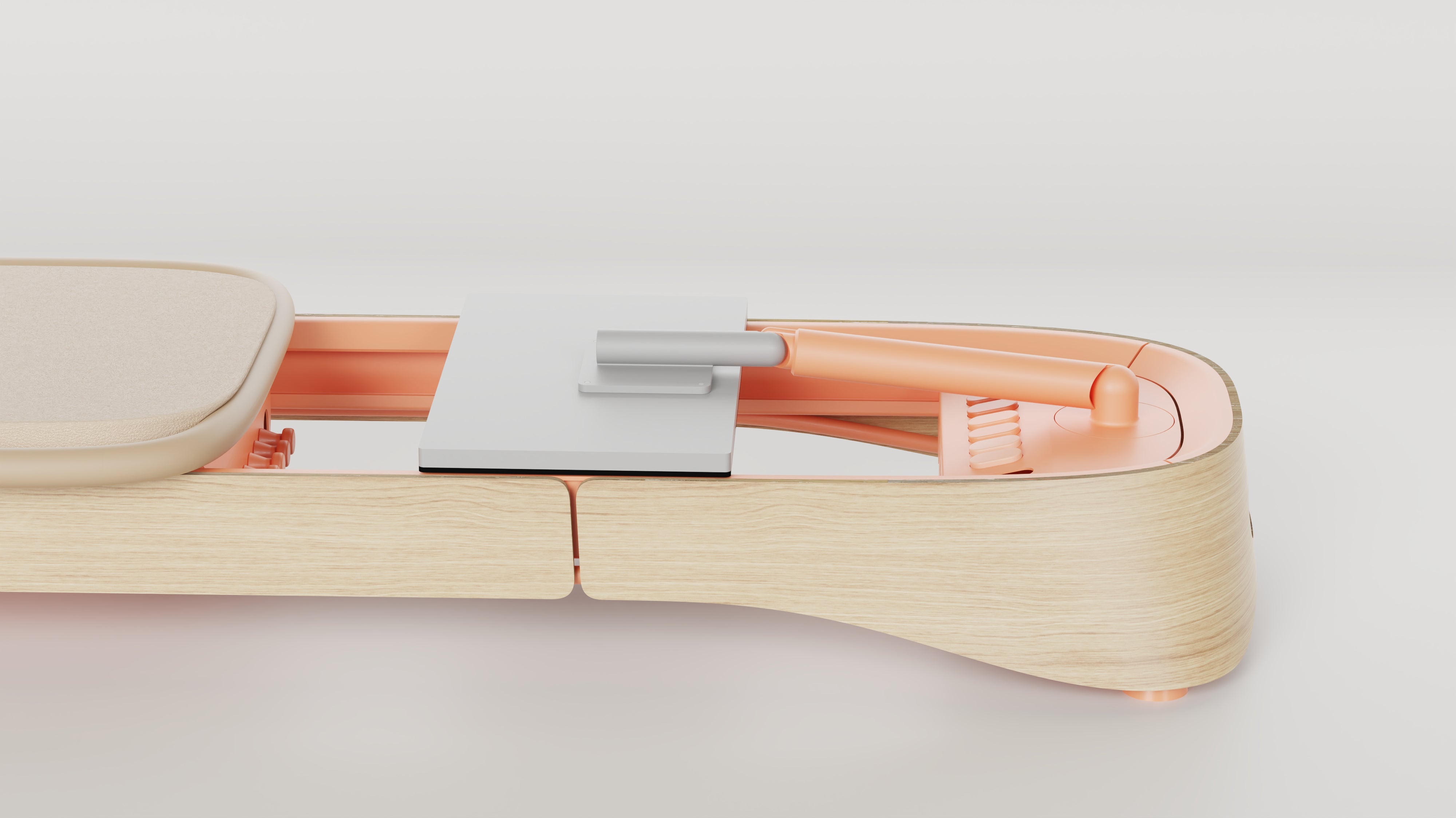
Reformer Pilates has moved from boutique studios into living rooms across the globe, offering a low-impact yet highly effective way to build strength, flexibility, and core stability. When a quality reformer is placed at home, the possibilities for personalized training expand dramatically. Understanding how to set up the machine, select appropriate exercises, and maintain proper form ensures that each session delivers maximum benefit while minimizing risk. The following guide breaks down the essential components of a successful at-home reformer routine, providing actionable tips that align with professional standards and the latest training insights.
Setting Up Your Home Reformer Space
Choosing the Right Location
- Flat, stable floor – preferably hardwood or a thick yoga mat to protect both the machine and your joints.
- Clear ceiling height of at least 8″?ft to accommodate full range of motion on standing exercises.
- Good natural or adjustable lighting to maintain visibility of foot straps and carriage alignment.
Essential Equipment and Safety Checks
- Inspect springs for wear; replace any that show signs of fatigue.
- Secure the carriage rails to prevent wobble; tighten all bolts before each use.
- Keep a non-slip mat or towel nearby for added grip during footwork.
For a comprehensive overview of model specifications and maintenance tips, Discover expert strategies here.
Fundamental Principles of Effective Reformer Workouts
Alignment and Core Engagement
Every movement on the reformer starts with a neutral spine and active core. Engage the deep abdominal muscles (draw-in) before initiating any push or pull, which stabilizes the pelvis and protects the lower back.
Controlled Resistance Selection
- Begin with lighter springs (e.g., 1-2) to master technique.
- Progress to medium (3-5) and heavy (6-8) springs as strength and confidence increase.
- Alternate spring tension within a single session to target both endurance and power.
When deciding how to scale resistance, Learn about our tailored solutions for progressive loading.
Core Reformer Exercises for a Balanced Routine
Warm-Up: Footwork Series
- Parallel Heel Press – 2 sets of 12 reps, focus on pressing through the heels while maintaining a neutral pelvis.
- Stance Width Variation – Alternate between close, shoulder-width, and wide positions to activate different muscle groups.
Strength Builder: Long Box Row
Position the long box on the carriage, lie face down, and perform a rowing motion. This targets the upper back, glutes, and hamstrings while reinforcing spinal extension.
- 3 sets of 10-12 reps
- Maintain a slight bend in the elbows; avoid locking out.
Flexibility & Mobility: Spine Stretch Forward
Seated on the carriage, feet against the footbar, hinge at the hips and slide the carriage forward, lengthening the spine. This exercise improves hamstring flexibility and promotes spinal articulation.
- 4 repetitions, hold the stretch for 3-4 seconds.
- Keep shoulders relaxed and avoid rounding the lower back.
For a deeper dive into advanced variations of these movements, Explore advanced guides and tips.
Programming Your Weekly Reformer Schedule
- Monday – Full-Body Strength: Emphasize spring-loaded leg work, arm presses, and core stabilization.
- Wednesday – Mobility & Recovery: Focus on slower, controlled stretches like the Spine Stretch and Mermaid side-bends.
- Friday – Power & Conditioning: Incorporate fast-paced footwork, jumpboard (if available), and high-resistance rows.
- Weekend – Optional Light Flow: Gentle flow sequences to maintain movement patterns without heavy loading.
Tailoring the program to individual goals is essential; for personalized programming ideas, Find out more about this approach.
Maintaining Motivation and Progress Tracking
- Keep a workout journal noting spring settings, repetitions, and perceived effort.
- Set measurable milestones (e.g., increasing spring tension by one level every two weeks).
- Use video recordings to self-assess form and make incremental adjustments.
- Incorporate music or podcasts to enhance the training atmosphere.
Common Mistakes and How to Avoid Them
- Over-relying on momentum – Slow, controlled movements produce better muscle activation.
- Neglecting neutral spine – Regularly check alignment in a mirror or via video.
- Using excessive spring tension too early – Prioritize technique before load.
- Skipping warm-up or cool-down – Even short 5-minute phases reduce injury risk.
Conclusion
Integrating a reformer into a home fitness routine offers unparalleled versatility, allowing practitioners to sculpt strength, enhance flexibility, and refine core control within a compact space. By establishing a dedicated workout area, adhering to fundamental alignment principles, and following a structured program, the reformer becomes a powerful tool for continuous progress. Regularly revisiting technique, adjusting resistance, and tracking results will keep the practice challenging and rewarding, ensuring that each session moves you closer to optimal health and functional performance.