
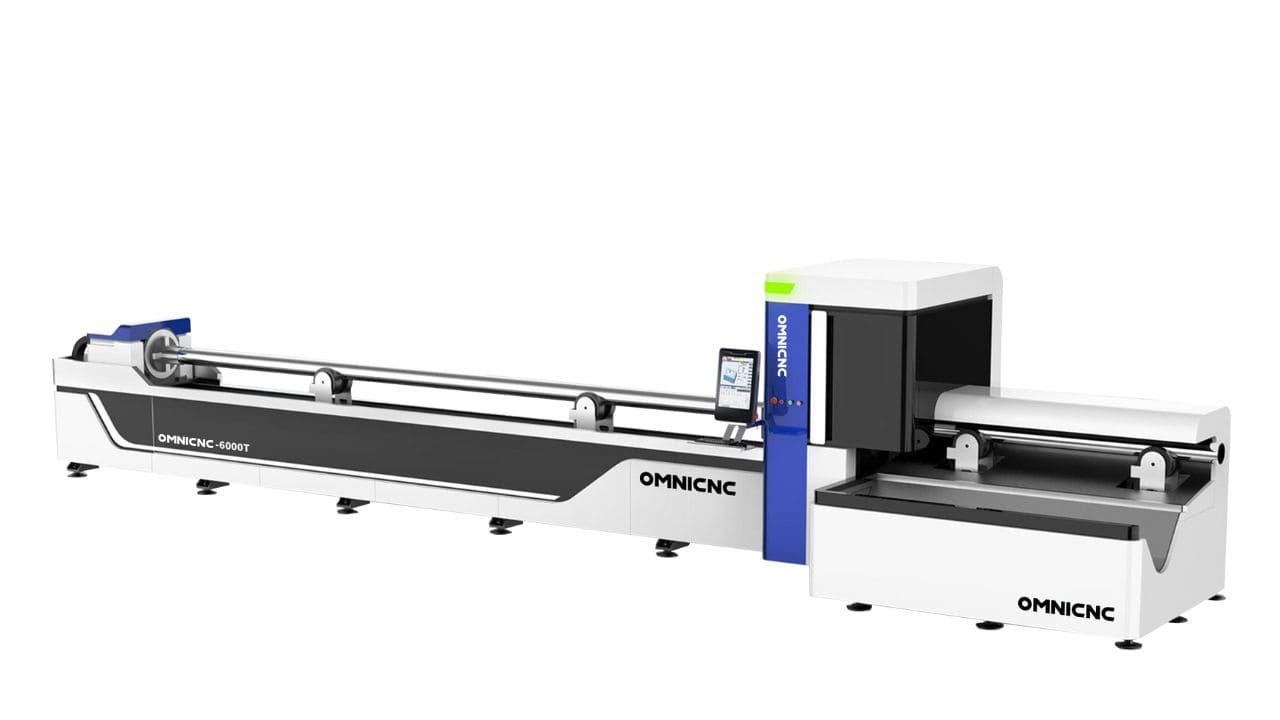
In modern manufacturing, precision, speed, and flexibility are paramount. CNC laser tube cutters have emerged as essential tools for fabricating complex metal components, offering unparalleled accuracy while reducing material waste. This guide explores the technology behind these machines, key considerations when selecting a system, and best practices for optimizing performance, helping engineers and fabricators make informed decisions that drive productivity and quality.
Understanding CNC Laser Tube Cutting Technology
How It Works
The process combines computer-numerical-control (CNC) programming with a high-power laser source. The laser beam is directed through a tube-holding fixture, melting or vaporizing material along a pre-programmed path. Unlike traditional mechanical cutting, the laser produces a clean edge with minimal heat-affected zone, allowing for tighter tolerances and smoother finishes.
Core Components
- Laser Source: Fiber or CO??? lasers provide the necessary power; fiber lasers are favored for their efficiency and lower maintenance.
- CNC Controller: Interprets CAD/CAM data and synchronizes motion axes for precise cuts.
- Tube Fixturing System: Rotational and linear clamps secure round, square, or rectangular tubes while permitting 360?? access.
- Assist Gas Supply: Inert gases (e.g., nitrogen, oxygen) improve cut quality and reduce oxidation.
Key Benefits of CNC Laser Tube Cutters
- High Precision: Achieve tolerances within ??0.1″?mm, essential for aerospace, automotive, and medical applications.
- Reduced Lead Times: Automated cutting eliminates manual setup, accelerating production cycles.
- Material Efficiency: Narrow kerf width minimizes waste, lowering material costs.
- Versatility: Capable of handling a wide range of tube diameters, wall thicknesses, and alloys.
- Safety and Cleanliness: Closed-loop systems limit exposure to fumes and sparks.
Choosing the Right CNC Laser Tube Cutter
Selecting a machine that aligns with specific production needs involves evaluating several factors. Detailed specifications can be found on product pages such as Discover expert strategies here, which outline capabilities and optional accessories.
Performance Criteria
- Maximum tube diameter and length
- Supported material types (steel, aluminum, stainless, etc.)
- Laser power rating (kW) and cutting speed
- Axis resolution and repeatability
Operational Considerations
- Footprint and floor loading requirements
- Integration with existing CAD/CAM workflow
- Maintenance schedule and service support
- Energy consumption and cooling infrastructure
Optimizing Cutting Parameters for Best Results
Fine-tuning laser settings is essential for achieving consistent quality across diverse tube profiles. The following guidelines help operators balance speed and edge integrity.
- Laser Power: Higher power increases cut speed but may cause excessive melt-back on thin walls.
- Assist Gas Pressure: Adjust to maintain a stable plume; nitrogen for stainless steel, oxygen for carbon steel.
- Feed Rate: Match the feed to material thickness; slower feeds improve surface finish.
- Focus Position: Slightly offset the focal point for thicker sections to ensure full penetration.
For a deeper dive into parameter selection, see Learn about our tailored solutions, which provides case studies and technical notes.
Maintenance and Longevity
Regular upkeep extends machine life and preserves cutting accuracy. Key maintenance tasks include:
- Cleaning optics and replacing worn lenses
- Inspecting and tightening fixturing clamps
- Monitoring laser output power with a calibrated meter
- Verifying coolant flow rates and filter condition
Manufacturers often supply detailed service manuals; integrating a preventive maintenance schedule can reduce unexpected downtime.
Safety Best Practices
While CNC laser tube cutters are designed with safety features, operators must follow industry standards:
- Wear appropriate laser-safety eyewear rated for the wavelength in use.
- Ensure proper ventilation or extraction to capture fumes.
- Maintain clear access to emergency stop buttons.
- Conduct regular safety audits and training sessions.
Future Trends in Tube Cutting
The evolution of laser technology continues to shape manufacturing capabilities. Anticipated developments include:
- Higher-Power Fiber Lasers: Enabling faster cuts on thicker alloys.
- AI-Driven Optimization: Real-time adjustments based on sensor feedback.
- Hybrid Machining: Combining laser cutting with additive processes for complex geometries.
- IoT Integration: Remote monitoring of machine health and performance metrics.
For ongoing insights into these innovations, Explore advanced guides and tips that discuss emerging technologies and their practical applications.
Conclusion
Investing in a CNC laser tube cutter can transform production workflows, delivering precision, speed, and material efficiency that meet the rigorous demands of modern industries. By understanding the underlying technology, evaluating performance criteria, and applying best-practice maintenance and safety protocols, manufacturers can maximize return on investment while maintaining high-quality output. For additional resources and detailed product information, Find out more about this approach and stay ahead of the competitive curve.