
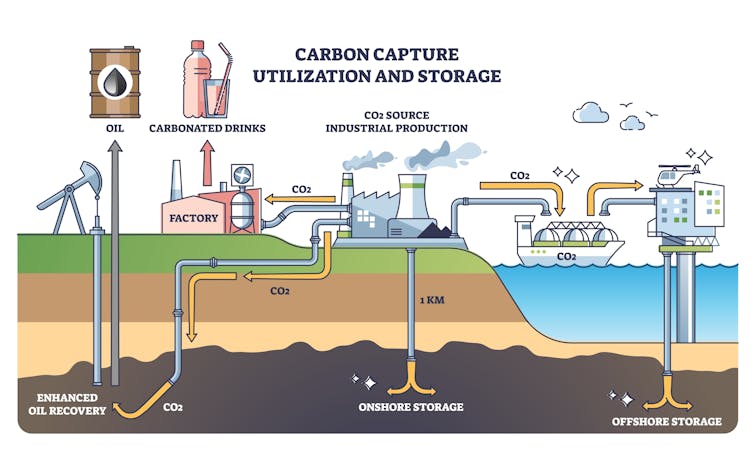
In the ongoing battle against climate change, the importance of reducing carbon emissions cannot be overstated. One of the innovative solutions emerging to address this challenge is carbon capture and storage (CCS) technology. This technology promises to capture carbon dioxide emissions from sources like power plants and industrial processes and store it underground, preventing it from entering the atmosphere. As industries worldwide seek sustainable practices, CCS technology emerges as a viable solution for reducing the carbon footprint and achieving environmental goals.
Understanding Carbon Capture and Storage Technology
Carbon capture and storage technology involves three critical processes: capturing, transporting, and storing carbon emissions. This comprehensive approach ensures that carbon dioxide is effectively prevented from contributing to atmospheric pollution.
Key Components of CCS Technology
- Capture: This involves separating carbon dioxide from other gases produced in industrial processes.
- Transport: Once captured, the carbon dioxide is transported to a storage site via pipelines or ships.
- Storage: Finally, the carbon dioxide is stored in geological formations underground, such as depleted oil and gas fields or deep saline aquifers.
Potential of CCS in Combating Climate Change
The potential of carbon capture and storage technology in mitigating climate change is immense. By significantly reducing emissions from industrial sources, CCS can play a crucial role in achieving global climate targets.
Benefits of Implementing CCS
- Emission Reduction: CCS can reduce emissions by up to 90%, making it an effective tool in reducing the overall carbon footprint.
- Economic Opportunities: The development and deployment of CCS technology can create jobs and stimulate economic growth in the energy sector.
- Support for Renewable Energy: CCS can complement renewable energy technologies by providing a bridge for transitioning to a low-carbon economy.
Challenges and Future Prospects
While the future of CCS technology is promising, several challenges need to be addressed to ensure its widespread adoption. These include high costs, regulatory hurdles, and the need for a robust infrastructure for transporting and storing carbon dioxide.
Overcoming Challenges
- Cost Reduction: Continued research and development are crucial for reducing the costs associated with CCS technology.
- Policy Support: Strong policy frameworks and government incentives can encourage investment in CCS projects.
- Public Awareness: Educating the public about the benefits and safety of CCS can increase societal acceptance and support.
Conclusion
As the world strives to meet climate goals, carbon capture and storage technology stands out as a pivotal solution. By capturing and storing emissions, CCS not only reduces the impact of industrial activities but also supports the transition to sustainable energy systems. The future of CCS hinges on overcoming current challenges and leveraging opportunities to establish it as a cornerstone of global climate strategy.